
Wholesale & distribution · EPC · Training · Smart energy
From rooftops
to power plants.
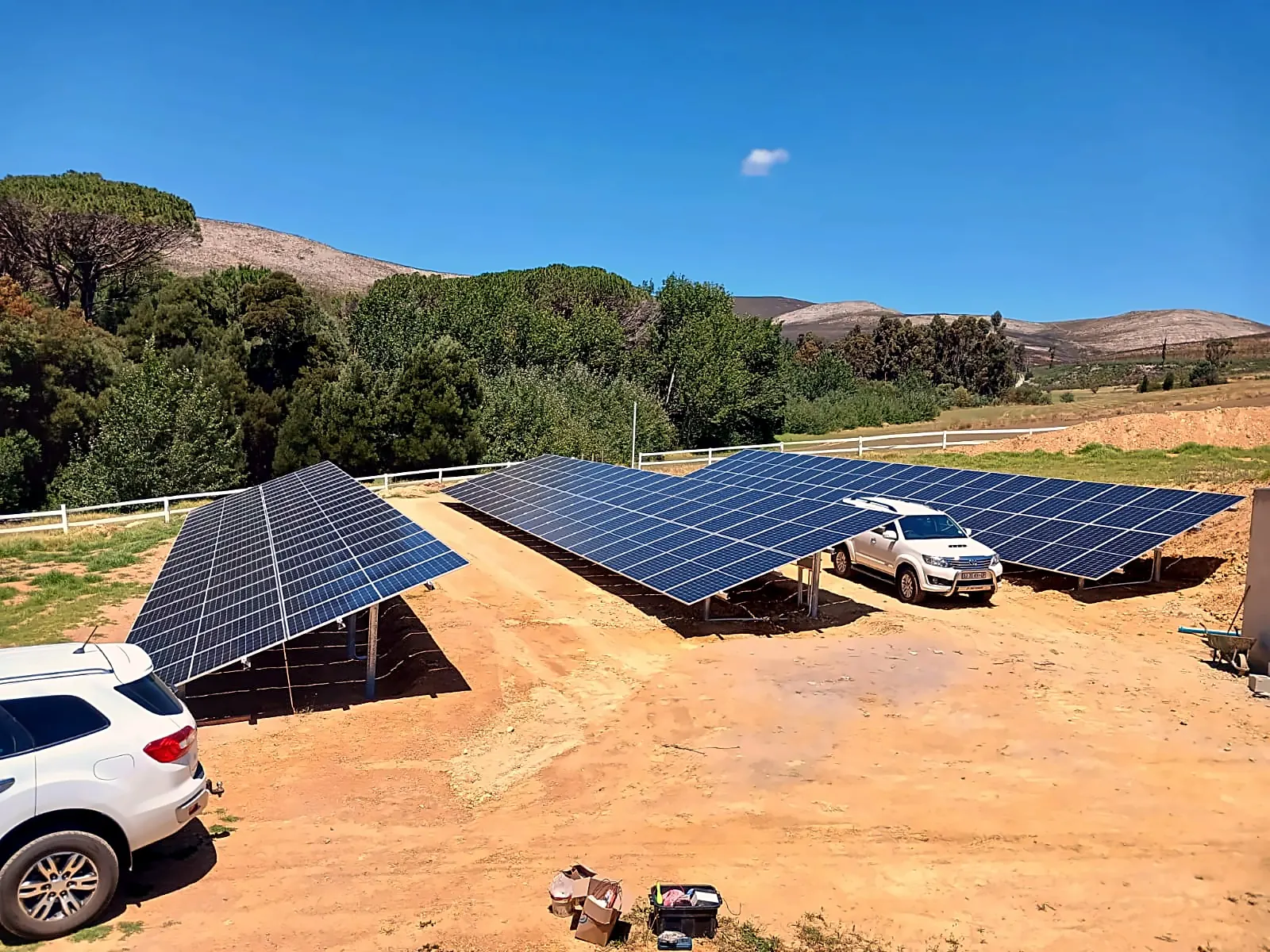
Solar, storage and wind, supplied, engineered and installed, from a 1 kW roof to a 500 MW plant.
What we provide
Our renewable energy solutions
GC Solar supplies and builds solar, storage, wind and EV charging systems for six markets, from a single home to a utility plant.
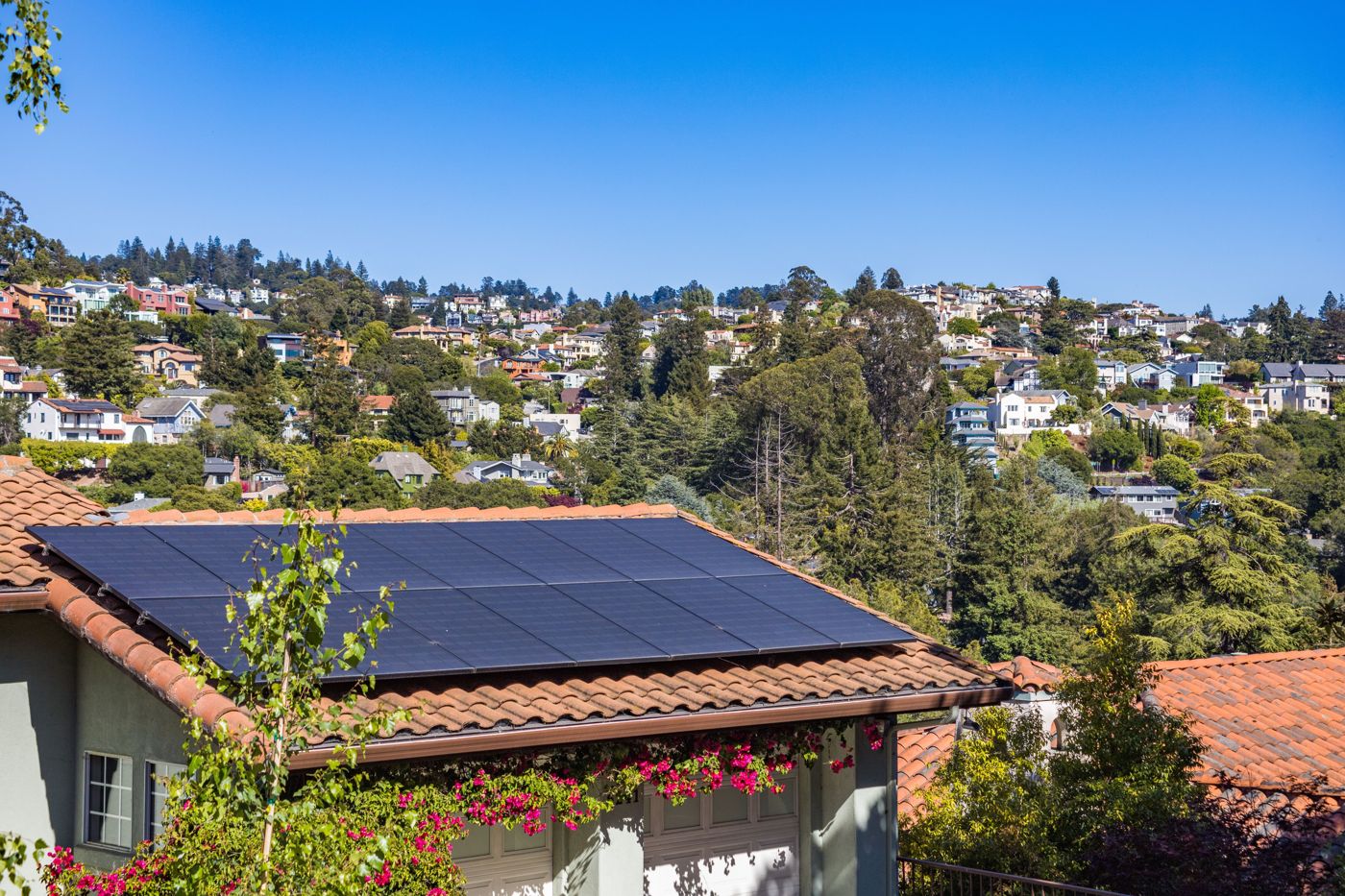
Residential
Custom rooftop solar systems designed to deliver uninterrupted home power daily.
Get a quotation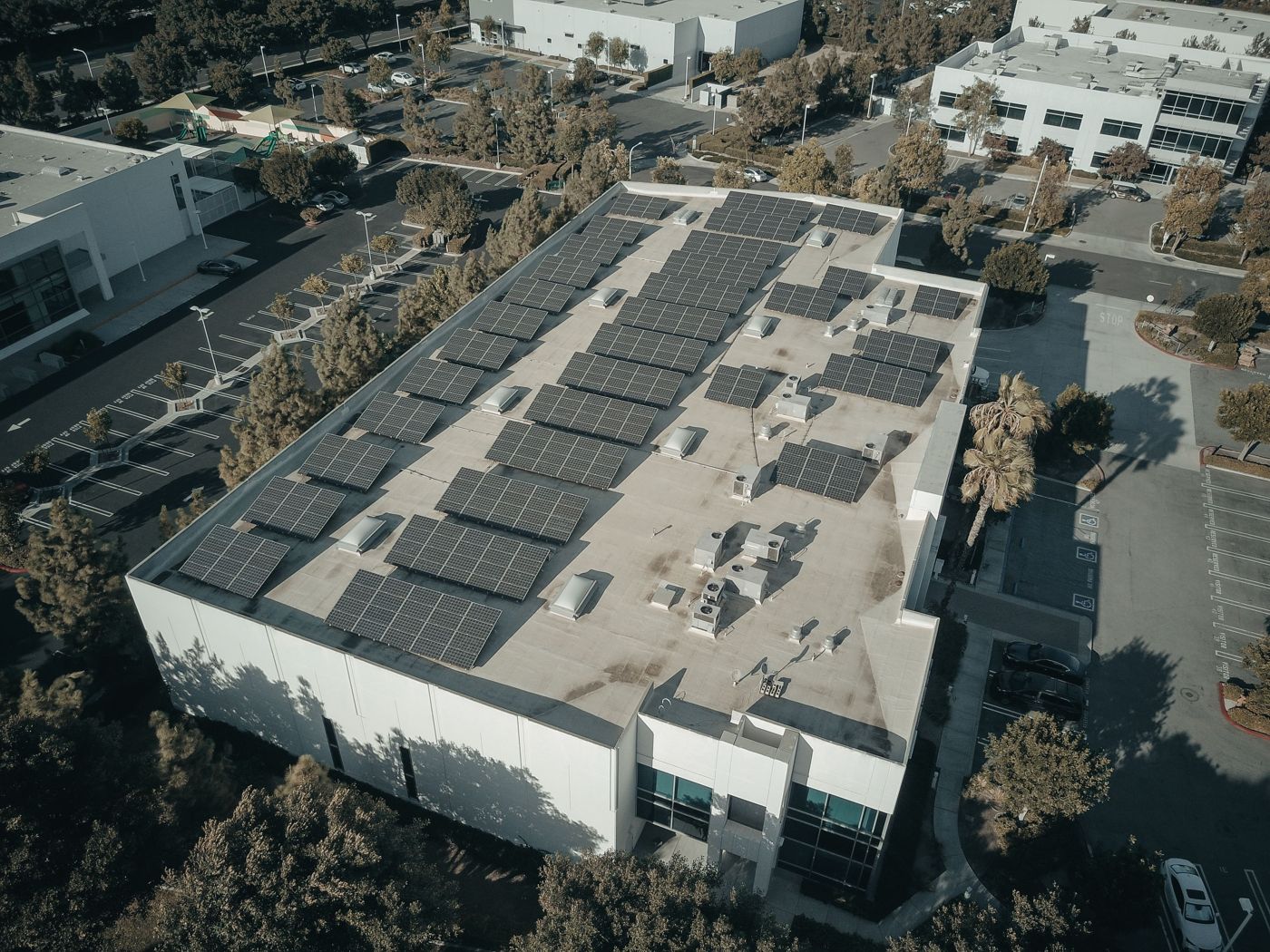
Commercial
Scalable energy infrastructure engineered to reduce operating costs for businesses.
Get a commercial quotation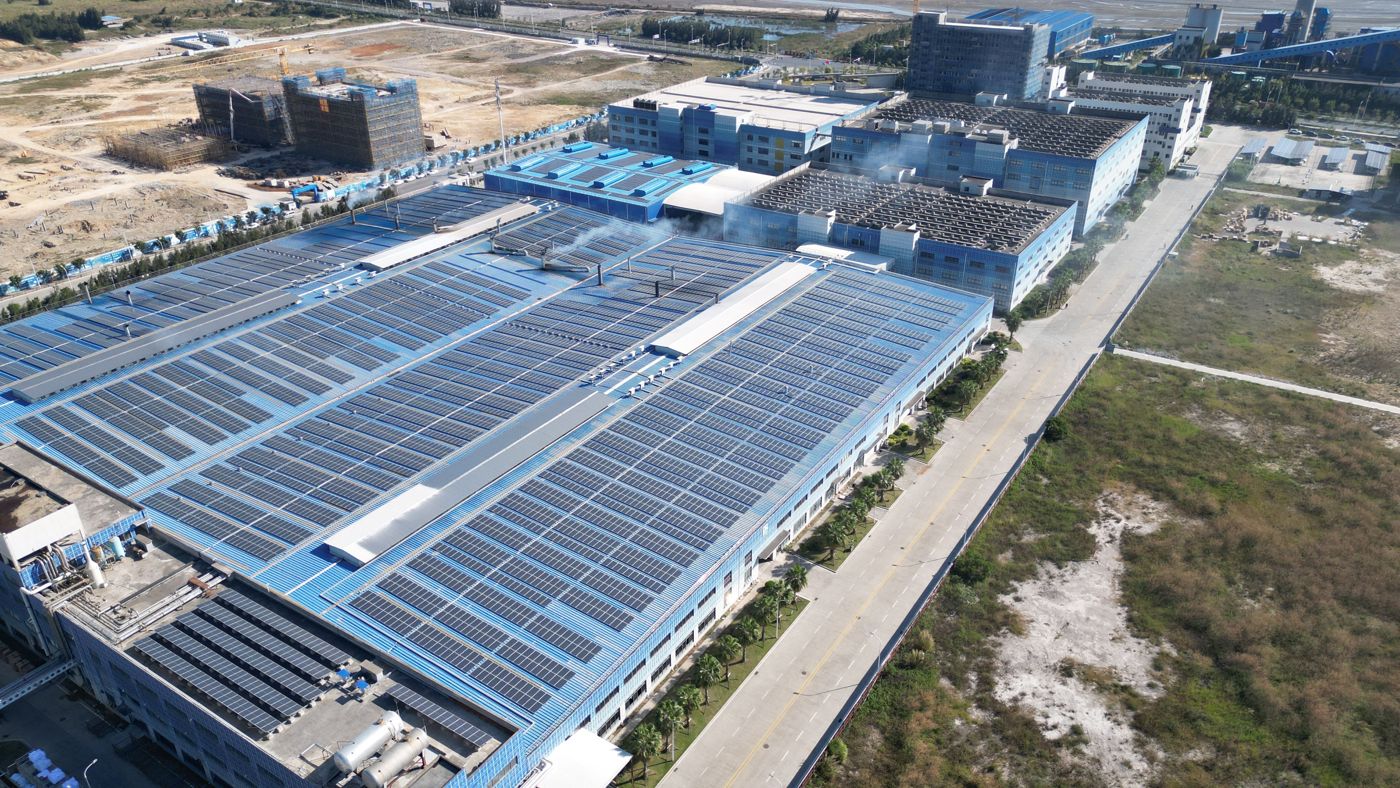
Utility
High-capacity solar installations built to supply reliable grid-scale power.
Discuss a utility-scale project
Mining
Heavy-duty microgrids optimised for demanding off-grid industrial sites.
Plan a mining microgrid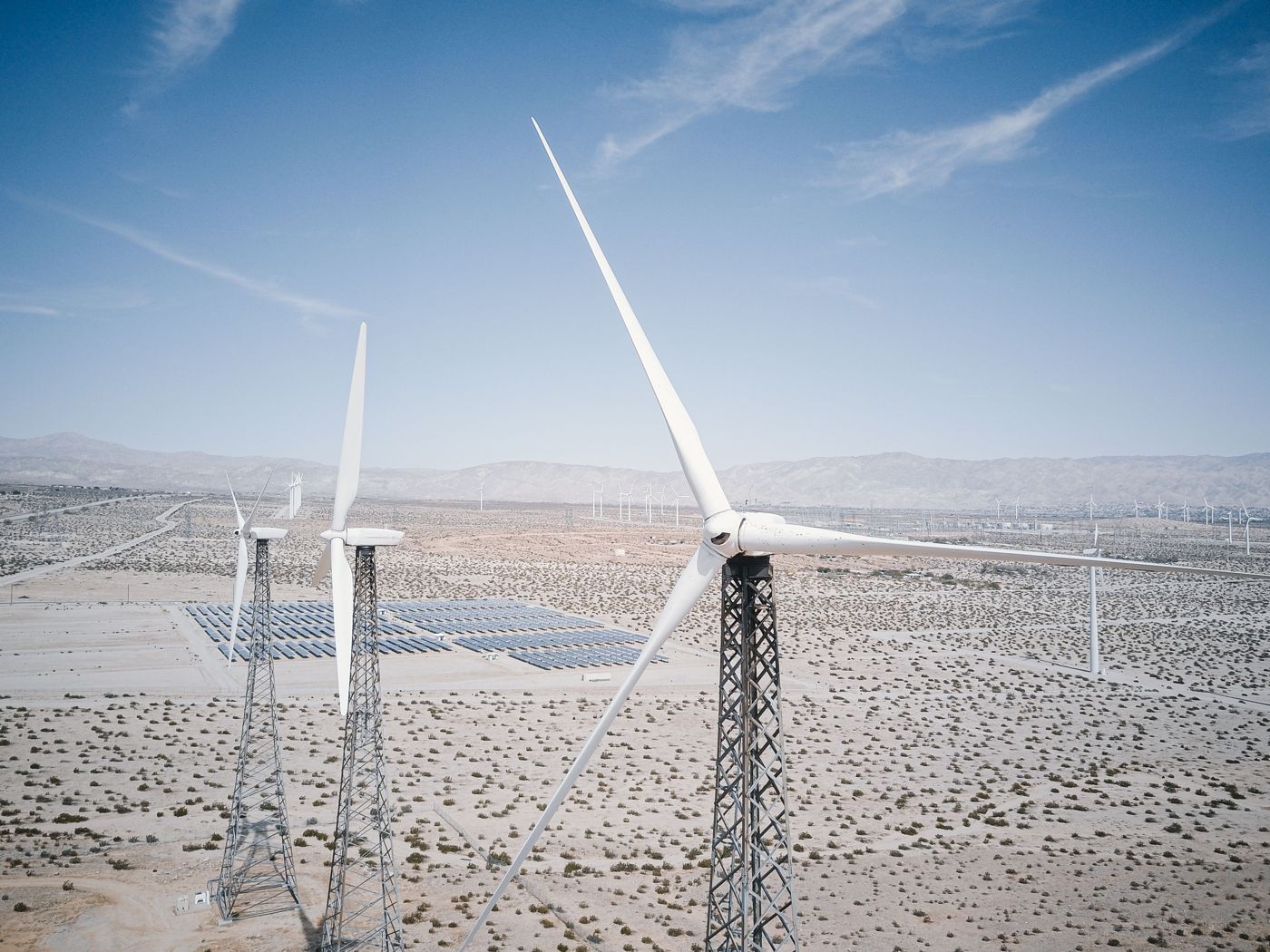
Wind
Clean wind generation assets deployed to diversify renewable energy production.
Discuss a wind project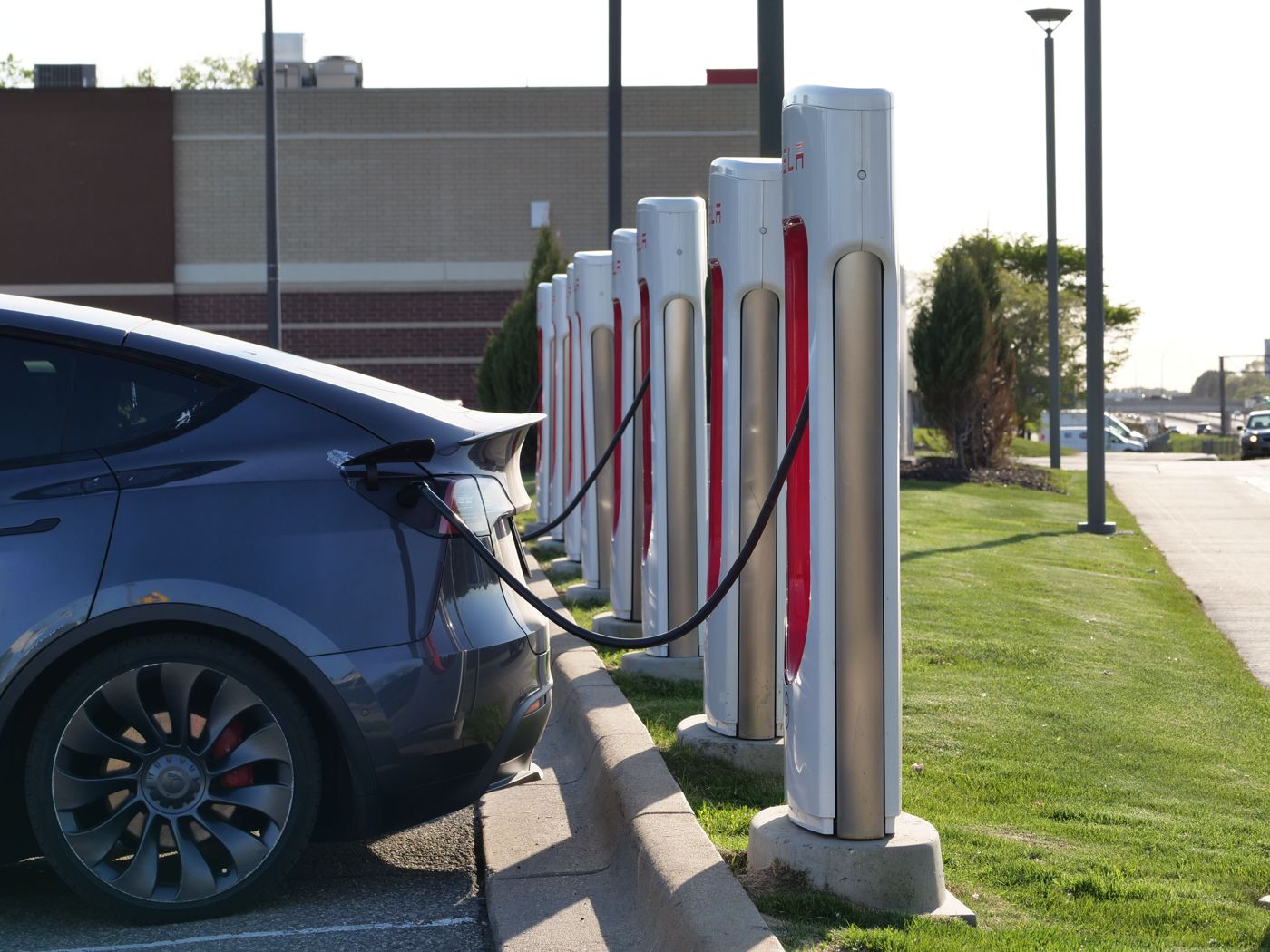
EV charging
Fast-charging station networks tailored for seamless fleet and public charging.
Get an EV charging quotation
Engineering, procurement, construction
From rooftop to power plant.
One accountable team takes the project from first survey to final commissioning, at every scale.
Select project scale
How every project runs
- 01Survey
- 02Design
- 03Supply
- 04Build
- 05Commission
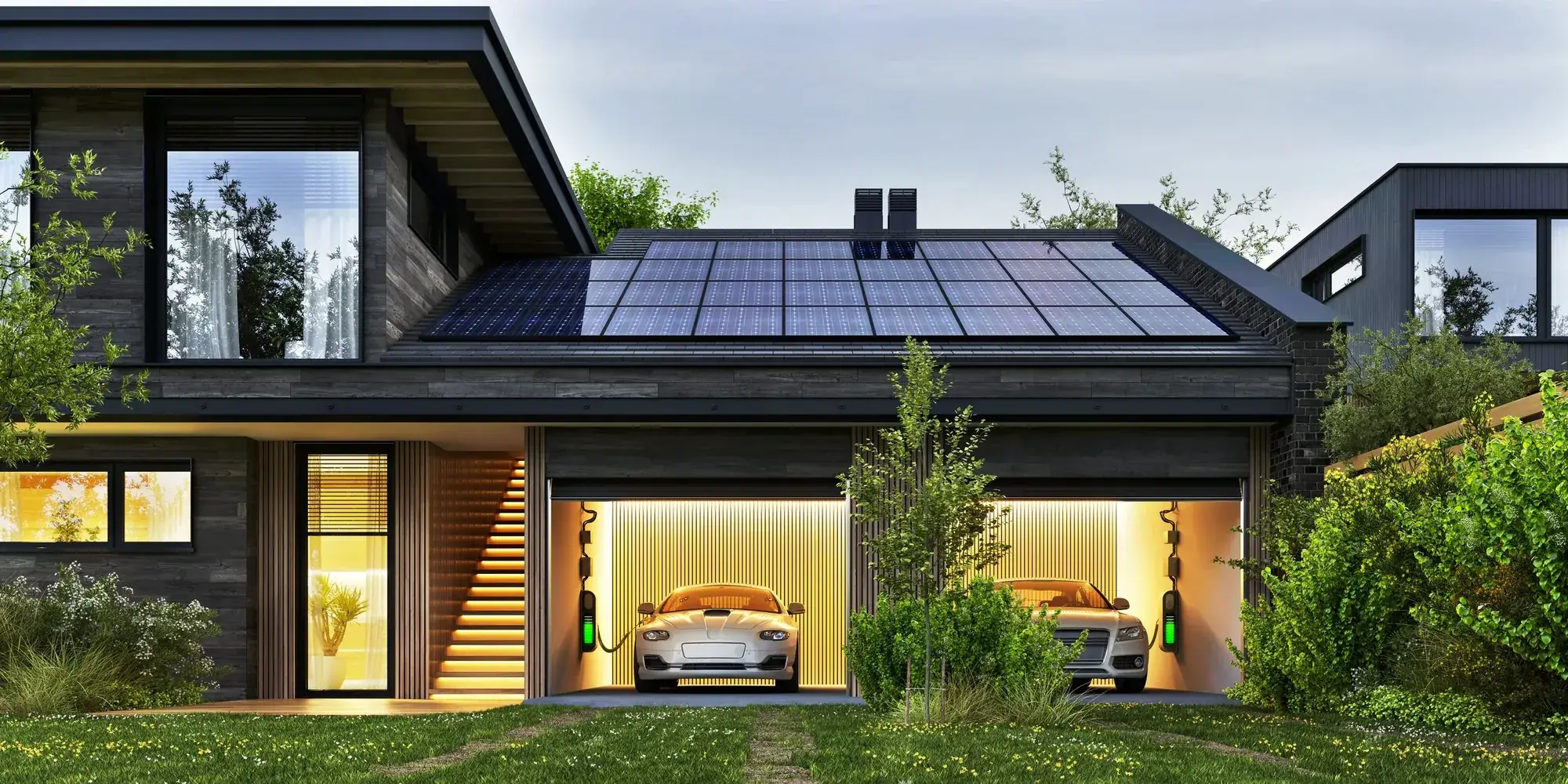
1 kW – 35 kW
Residential
- Energy independence
- Hybrid solar integration
- Smart energy management
Paying for your system
Financing options
Four ways to pay for a system, from rent-to-own on a home to project finance on a power plant.
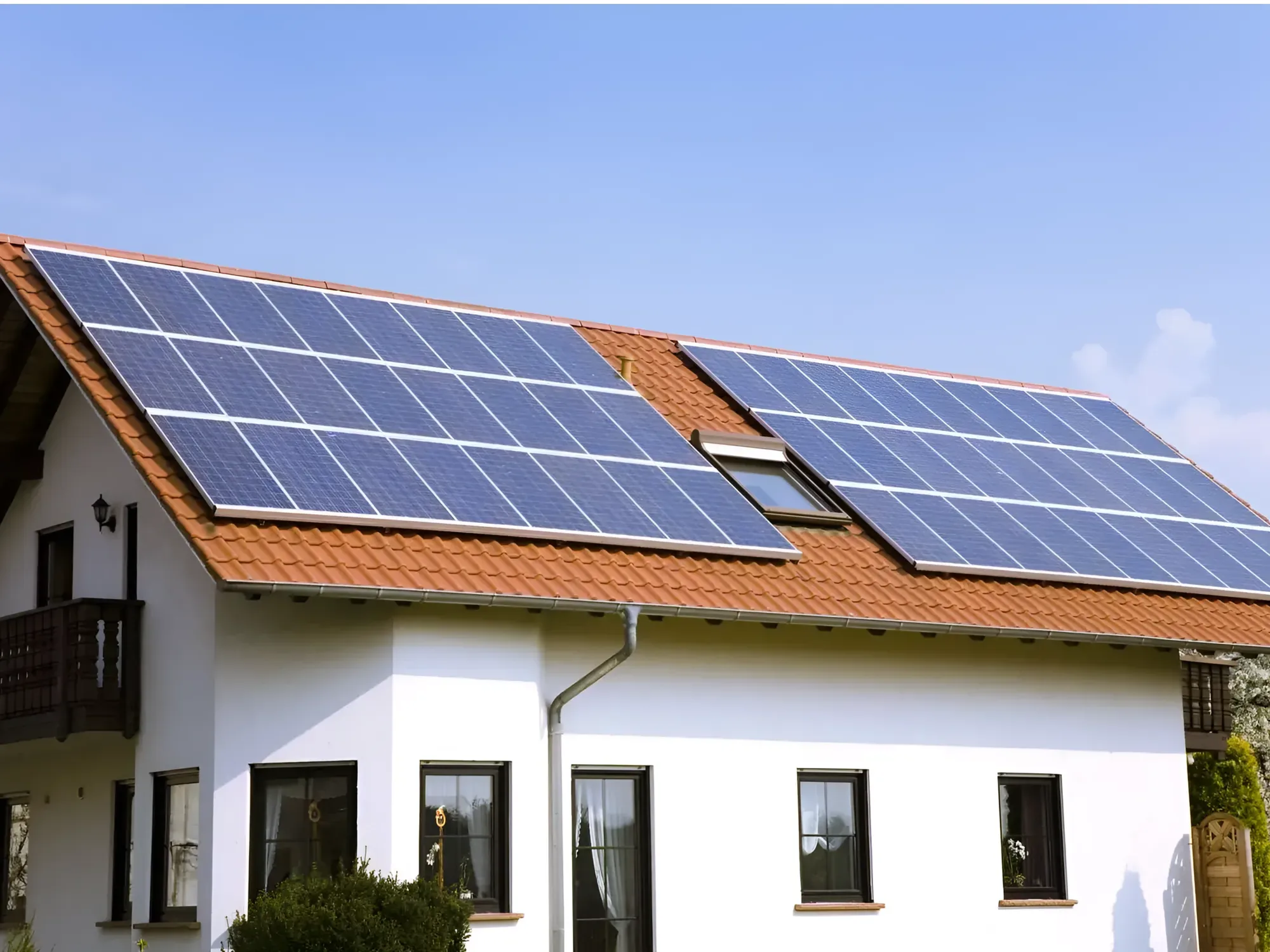
Residential & commercial
Rent-to-own
- No large upfront capital
- Fixed monthly payments
- Ownership transfers after term
- Maintenance included
Through financial partners
Fixed-period financing
- Competitive interest rates
- Flexible terms, 3 to 10 years
- Quick approval
- Through our banking partners
Commercial & utility
Power purchase agreements
- Zero upfront cost
- Pay per kWh generated
- Long-term contracts, 10 to 20 years
- Predictable energy costs
Banks and development finance institutions
Project financing
- Large-scale project funding
- Export credit facilities
- Development finance
- Structured project finance
Frequently asked
Questions, answered straight.
Pick the market closest to yours. If the answer you need isn’t here, ask us directly and a person will reply.
Residential5 questions
What size solar system does my house need?
It depends on what you want to keep running and for how long, not on the size of the house. Most homes we supply land between 3 kW and 10 kW with a 5 kWh to 15 kWh battery. Send us a recent municipal bill and a list of what has to stay on during an outage, and an installer will size it properly rather than guessing from floor area.
Can I keep my geyser and stove running on battery?
Usually not on a standard home battery, and that is normal. A geyser and an electric stove each draw several kilowatts continuously, which empties a typical home battery in well under an hour. Most homes back up lights, plugs, WiFi, the fridge, the alarm and the gate, and either move the geyser onto a timer that runs while the sun is up, or switch it to heat pump or gas.
Do I need solar panels to have backup power?
No. An inverter and battery on their own will carry you through load shedding by charging from the grid between outages. Panels are what stop you paying for that electricity. A lot of homeowners start with backup and add panels later, which is why we supply backup systems as their own product rather than only as part of a solar package.
Does GC Solar install the system at my house?
We supply the equipment, and a certified installer does the installation and issues your Certificate of Compliance. Use the installer directory to find one in your area and request a quote, and they will price the whole job including labour, mounting, wiring and sign-off.
Find an installerWill the system still work when the grid is down?
Yes, provided it is a hybrid or backup system with a battery. A grid-tied inverter with no battery is required by law to shut down during an outage, so it produces nothing exactly when you need it. Every residential backup or hybrid system we supply is specified to keep running through an outage.
Commercial3 questions
How big a system does a business need?
It is sized on the power you use while the sun is up, not on your total bill. Twelve months of bills, ideally with monthly demand figures, show how much of your load solar can carry without exporting or wasting energy. The commercial and industrial systems our EPC team builds run from 35 kW to 50 MW.
Can solar lower our demand charges, not just our energy bill?
Yes, with a battery. Solar alone cuts the energy you buy, but a cloudy afternoon or an evening peak can still set your maximum demand for the month. A battery that discharges at those peaks, known as peak shaving, is what brings the demand charge down.
Can we go solar without paying upfront?
Yes. Rent-to-own and fixed-period finance spread the cost over a term, and with a power purchase agreement you pay only for the kWh the system generates, with no upfront cost. Which route costs least depends on your tax position and how long you will stay on the site.
See financingUtility3 questions
What size utility projects does GC Solar deliver?
Utility-scale solar from 50 MW to 500 MW. One EPC team takes the project from survey and design through supply, build and commissioning.
Can a utility-scale plant include battery storage?
Yes. Battery energy storage (BESS) lets a plant move solar output into the evening peak and smooth what it delivers to the grid. Whether storage pays depends on the tariff or offtake agreement, so it is modelled during design.
How are large projects financed?
Through project finance from banks and development finance institutions, or through a power purchase agreement where the offtaker pays per kWh generated over a 10 to 20 year contract.
See financingMining3 questions
Can solar power a mine that is off the grid?
Yes, as part of a hybrid microgrid. Solar and batteries carry the load through the day and into the evening, and the site’s generators cover the rest, so operations keep running while burning far less diesel.
Do we have to replace our diesel generators?
No. A hybrid system works with the generators you already have. The controller runs solar and batteries first and starts the generators only when they are needed, which cuts fuel use, fuel deliveries and engine hours.
Will the system cope with crushers, pumps and other heavy loads?
Large motors draw a surge when they start, so the inverters and batteries are sized for those peaks, not only the average load. Send us your load profile and equipment list and the design is built around the loads that matter most.
Wind3 questions
What kind of wind turbines do you supply?
Low-speed turbines of around 3 MW, built to generate at lower average wind speeds, for utility and large commercial projects.
How do we know if a site has enough wind?
It has to be measured. A wind project starts with a resource study, usually at least a year of data from a measurement mast at turbine height, before turbines are chosen or the project is priced.
Can wind and solar be combined on one site?
Yes. Wind often blows in the evening and at night, when solar is not producing, so a hybrid plant spreads generation across more of the day and makes better use of a single grid connection.
EV charging3 questions
Which chargers suit a business or fleet?
AC chargers suit depots and workplaces where vehicles stand for hours. DC fast chargers suit vehicles that need to be back on the road quickly. The right mix depends on how many vehicles you run, how far they travel and how long they are parked.
Can EV chargers run on solar?
Yes. Chargers can be paired with a solar carport or rooftop array and a battery, so vehicles charge from your own power during the day and the battery limits the load on the grid when several charge at once.
Will chargers overload our electricity supply?
They can if they are not planned for. The capacity of your supply is checked first, then load management shares the available power between chargers, with battery storage added where the connection is too small.